


Why Music in Homeschooling
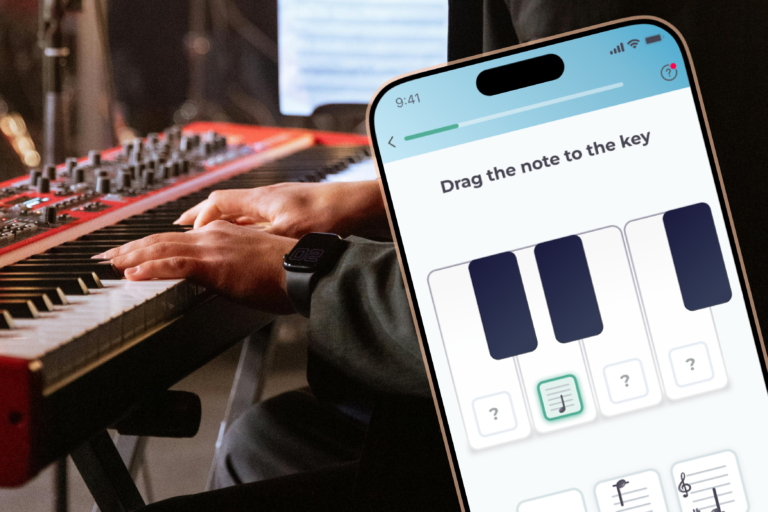
In today’s world, as homeschooling becomes an integral part of many families’ lives, comes to the forefront musical education as a means of comprehensive child development. Not just a hobby is music, but a powerful tool for shaping cognitive abilities, emotional intelligence, and creative thinking — especially when homeschool music is structured around engaging lessons in the Talented app with instant feedback and progress tracking that fit a home classroom within a homeschool curriculum.
Why now, exactly?
- Concentration is enhanced. Training attention and memory does music, which benefits all academic subjects.
- Fine motor skills and coordination develop. Especially important for toddlers and teenagers during active growth periods, this is.
- Emotional release and stress reduction occur. Expressing feelings and coping with tension, the child learns through melodies.
- Culture and self-identity are fostered. Helping to understand and appreciate diverse cultural richness, music shapes personality.
By inspiring the child toward musical discoveries, parents create an environment for them where learning takes the form of play, and lessons cease to be routine. Especially important this is, when education happens outside school — at home, within the family circle.
Parental Challenges on the Musical Path and the Key to Independence
Frequently confronted with questions that may undermine motivation and cause fatigue, parents who take on the task of musical education at home are:
- How to select an effective lesson program?
- Where to draw methodological support and inspiration from?
- How to maintain the child’s interest so that lessons don’t become a chore?
- In what way to monitor progress and adapt teaching methods to individual traits?
Not every parent is a teacher or professional musician, after all. Automation and timely support come to the rescue. Our app offers:
• Interactive courses adapting to the child’s level and style;
• Advice for parents on lesson organization and motivation;
• Notification and reminder systems to help keep on schedule;
• Analytics and visualization of learning outcomes, easing the planning of further steps.
Thus, not merely playing music at home but doing it consciously and with pleasure becomes possible. Spontaneity and creativity have their place, while structure and support keep one on track. This is why we believe that harmony between the parental role and technology is the key to children’s successful musical development. These are core features of a modern music training app aligned with parent-led learning, customizable modules, and student autonomy.
How Talented Platform Helps Make Music Lessons Captivating and Effective
Not only the quality of knowledge plays a crucial role in the world of home schooling, but also the child’s engagement in the process. The very tool that can turn ordinary music lessons into a real adventure is Talented. Combining modern technologies with pedagogical experience, the platform provides:
- Interactive lessons. It has only practical tasks with immediate feedback, with no boring explanations included.
- Variety of formats. Enjoy the process of music education with included video lessons, audio, sheet music demos, games, and quizzes.
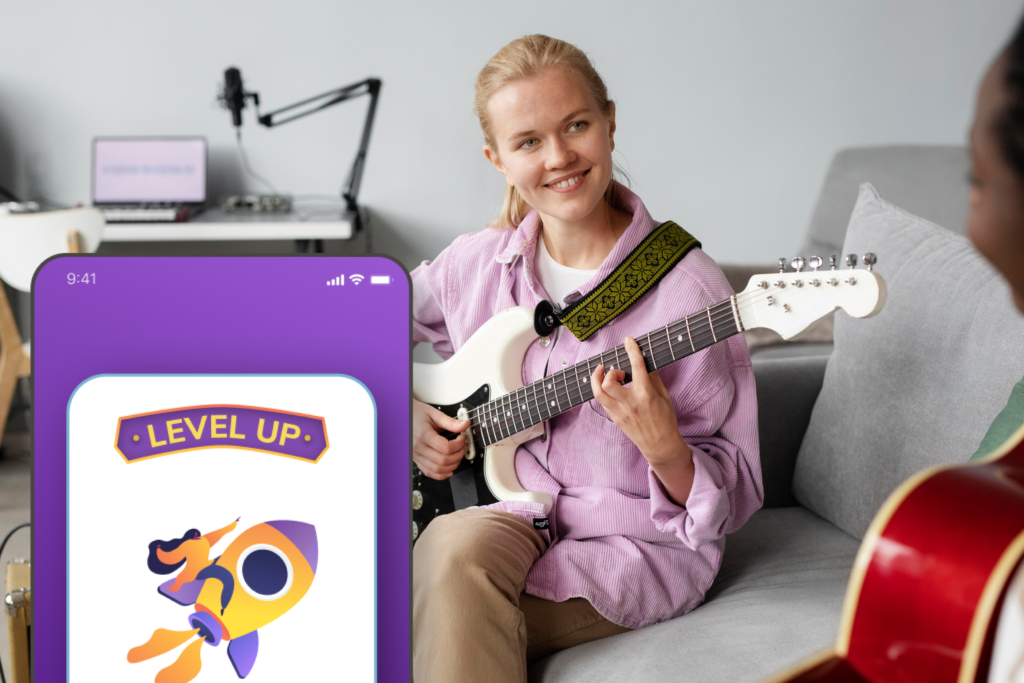
- Gamification of the process. Accumulation of points, achievement systems, and challenges-incentivize the child not only to practice but also to strive for new heights.
- Access to professionals. The progress is considerably accelerated; mistakes are avoided due to consultations and recommendations provided by the experienced teachers.
Talented addresses key difficulties of home music education: motivational issues, organizational challenges, and making necessary changes according to the child’s individual needs. The design supports adaptive learning, self-paced study, and child engagement through interactive exercises and audio feedback.
Practical Tips for Incorporating Music Into Your Daily Home Routine
A guarantee of steady progress and interest, especially when it comes to home schooling, is making music a part of everyday activities. Here are some proven ways to make that natural within family life:
- Establish musical rituals. For instance, start every day with 10–15 minutes of playing an instrument or listening to your favorite compositions. The regularity creates a sense of habit.
- Use music as background. Play classical melodies or jazz while doing homework, cleaning, or cooking so that gradually, the child will find themselves in a musical environment.
- Shared musical breaks. Short song or rhythm warm-ups, in which not only the child but also the whole family join in, unite and maintain motivation.
- Connect music with other subjects. Lessons are varied when repeating poems to melodies or creating rhythmic chains for remembering dates or vocabulary.
- Use Talented’s features for planning and reminders. It prevents forgetting lessons, and they become a part of the daily schedule without additional stress.
Flexibility and creativity are the main keys when integrating music. Lessons should not turn into a chore, but rather should become a fun and welcome part of the day. With small but regular successes, Talented builds a strong foundation for the harmonious development of the child in music and beyond, guided by lesson plans and learning milestones within a homeschool curriculum.
Interactive Methods and Playful Approaches to Maintain a Child’s Motivation
The key that will keep music lessons from becoming one of those daily chores that are simply endured but never relished is the playful element. The degree of interest and variety in the method of presentation, a child’s motivation directly depends on. Important to remember this is.
Here are several proven ways to make learning music at home exciting:
- Musical Quests and Challenges. One can turn the study of chords or rhythmic patterns into some kind of small adventure: for example, finding a new secret chord by means of some series of tasks, or finding a “musical secret” that is hidden on the instrument. Such an approach sparks curiosity and gives a sense of achievement.
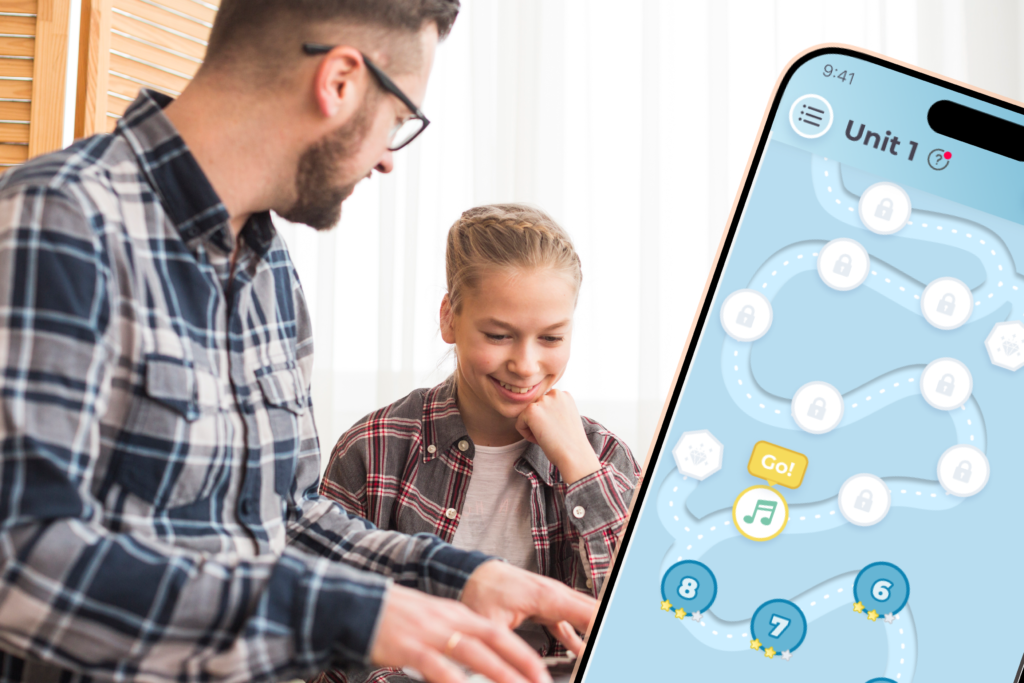
- Using Digital Apps and Platforms. Not just lessons, but Talented offers interactive exercises with instant feedback. The progress a child sees, the hints one receives, and new challenges to face—that is how learning is turned into a game with levels and rewards.
- Music and Movement Integration. Rhythmic clapping, dancing to melodies, or playing a percussion instrument helps engage the body and diversify the lesson. This will be most appropriate for younger children, who learn more through movement.
- Creating Creative Projects. Suggest that the child independently create a melody or song lyrics with elements he has already studied. Include songwriting in the schedule and encourage experiments—this presupposes thinking outside the box and developing musical thinking.
- Making Music Together. Parents can join lessons by playing simple instruments or singing along. Emotional bonds with music are fostered, and a child is pushed towards regular practice through shared activity.
In addition to this, frequent changes in the form of a lesson—from technical exercises to creative games—are necessary. The child will not feel bored because there is such variety. Play and interactivity in music are not just forms of entertainment but effective means for building motivation that will last.
The Role of Regular Feedback and Progress Tracking
In musical education—as in any other creative journey—there is one thing without which stable growth and motivation are impossible: constant and conscious control over one’s own development. Creating the platform, we aimed to embed exactly this crucial function, which helps parents and children clearly see which steps have been taken and which still deserve striving for.
Why is feedback so important?
- Achievement awareness: the child sees the fruits of their efforts, which fuels the desire to continue learning.
- Error correction: Timely detection and correction of errors prevent the setting of wrong habits.
- Development planning: analyzing progress provides the opportunity to adapt the program to each student’s individual needs.
Implemented through various convenient methods, tracking progress with us is:
- Dynamic reports with clear charts. Helping both children and parents to quickly assess the current level and observe improvements over time, visual representation of results is.
- Video and audio recordings of lessons. Allowing to listen to one’s own performances and compare them with past ones, this enables.
- Lesson planner with recommendations. The system, based on statistics and collected data, automatically suggests the next step, whether it will be to repeat a difficult element or to move to another piece.
- Achievement and reward system. In order to sustain interest, various virtual badges and awards have been incorporated. These motivate the child in continuing practice with renewed enthusiasm.
Not just numbers, but the full picture that parents receive in turn enables timely intervention, or conversely, giving the child space for independence. Since right feedback is also a dialogue, not just a report. Thus, regular tracking of progress is not a routine, but a real tool that makes the process of musical education interesting and meaningful. Our experience shows: when children see their efforts are being acknowledged, and parents can see a vivid picture of development, internal motivation level grows manifold.
Stories of Successful Families — Inspiration for New Practices
Having the power to inspire and motivate are stories of those who have already taken this path of home music education with Talented. A few examples, to show how the integration of music into the daily routine is able to change, not only learning but also the relationships of the whole family: let us consider.
- The family of Ivanovs struggled at first with lesson organization, but with Talented, they found a flexible schedule and a variety of tasks. The children started to view music as an interesting adventure, not just another routine exercise.
- The Petrov family: thanks to the built-in game approach on the platform, noticeably increased motivation of the child was achieved. Joint musical contests with elements of competition helped to improve attention and perseverance.
- Smirnov family: thanks to the feedback from teachers via Talented, they were able to have the program adjusted according to the child’s individual characteristics, which increased the effectiveness of education and reduced stress levels.
What’s emphasized through these examples is that success in musical education largely depends on the ability to adapt methods according to needs a family and child may have. Drawing inspiration from these stories, every family can create their unique path where creativity and learning go side by side — with interactive exercises, lesson plans, and learning milestones guiding child engagement.
Conclusion — Harmony of Learning and Creativity Is the Key to a Talented Future
It is in the harmony between systematic learning and creative approach that skills, as well as love for music, are formed in a child. Education, if based on inspiration and support, becomes the very foundation for the development of talent.
Key aspects of harmonious home music education:
- Constant motivation—a stimulus to move forward without feeling pressured.
- Interactivity — turning lessons into a game that keeps interest.
- Flexibility — adaptation of the program to the rhythm of family and child’s life.
- Feedback involves timely correction and recognition of achievements.
The Talented platform is just such a tool, which puts all these components together and makes the task of parents easier, turning music education into a full and joyful journey. Nowadays, introducing such technologies opens up opportunities for families to unlock the child’s potential precisely in conditions where comfort and support come first. More than an ideal, harmony of learning and creativity is a certain reality that can be achieved step by step — through parent-led learning, customizable modules, self-paced study, and clear progress tracking in a supportive home classroom.